
Current Ambassadors
We are proud to introduce our current Open Science Ambassadors, a group of dedicated researchers and staff members who are passionate about promoting Open Science practices and values within the Max Planck Society. These ambassadors are committed to sharing their knowledge and expertise with colleagues, students, and the broader community, and to fostering a culture of openness, transparency, and collaboration in research.
A list with contact information for the Ambassadors can be found in the Max-Intranet. If you are an ambassador, but not featured here you can fill out this form. For questions about the Open Science Ambassadors you can contact osip [at] mpdl [dot] mpg [dot] de.
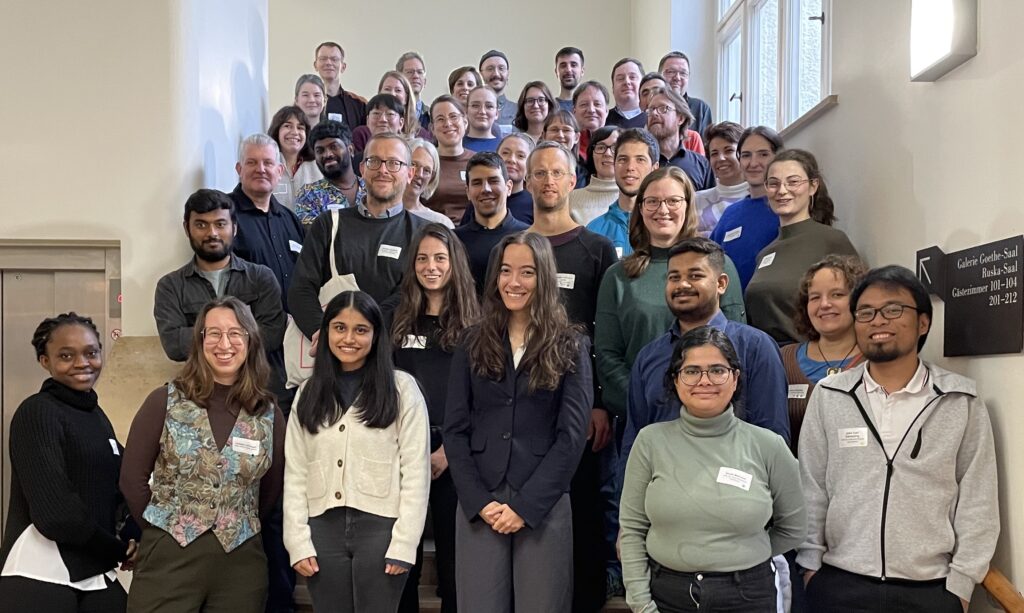
Kunsthistorisches Institut in Florenz
Alessandra Failla (Research Collaborator)
Digital Humanities
I hold a Master’s degree in Digital Humanities and Digital Knowledge and a Bachelor’s in European Art History. My work combines art history with digital methods, focusing on the analysis and visualization of archival data. I have experience developing accessible tools for researchers with varying technical skills, with interests in data visualization, digital storytelling, and user experience design. Currently, I focus on applying digital tools in the Digital Humanities to enhance the resources of the Kunsthistorisches Institut in Florenz.
Open Science Facets
Research Practices
MPI of Animal Behavior
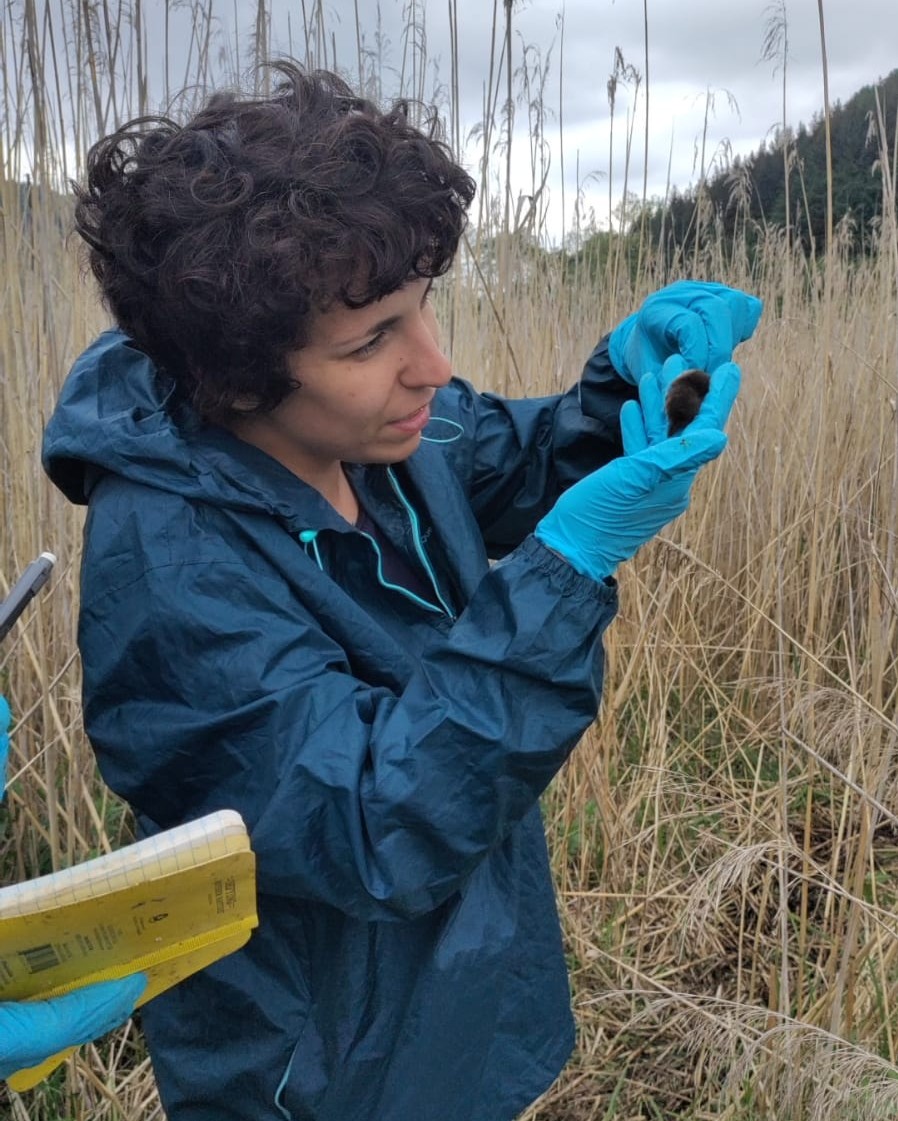
Cecilia Baldoni (Post-Doctoral Researcher)
Animal Cognition; Neurobiology
I am a post-doctoral researcher at the Max Planck Institute of Animal Behaviour in Konstanz. I study the link between brain size change and cognition and behavioral flexibility in the common shrew, one of the few mammals which experience the Dehnel phenomenon, a programmed and reversible shrinkage of body and brain size. My interest in Open Science is driven by the troubling frequency of questionable findings and retractions in recent studies. I advocate for reforming academic incentives, believing that promoting transparency in research will lead to more genuine scientific reliability.
Open Science Facets
Research Practices
MPI for Biogeochemistry
Arina Ivanova (PhD-Student)
Analytical chemistry, mass spectrometry, analysis of transformations of organic matter in the subsurface
I work with dissolved organic matter (DOM) using different mass spectrometric tools. DOM is a very complex mixture of soluble organic molecules of different origin; it represents the most mobile part of OM in the environment, and it reflects interactions between plants, microorganisms and the medium. I’m interested in 1) developing new mass spectrometric methods for structural description of DOM; 2) fate of DOM in the subsurface: it’s transformations during the passage through soil to aquifers and DOM dynamics in the aquifers.
Open Science Facets
Research Practices
MPI for Biology of Ageing
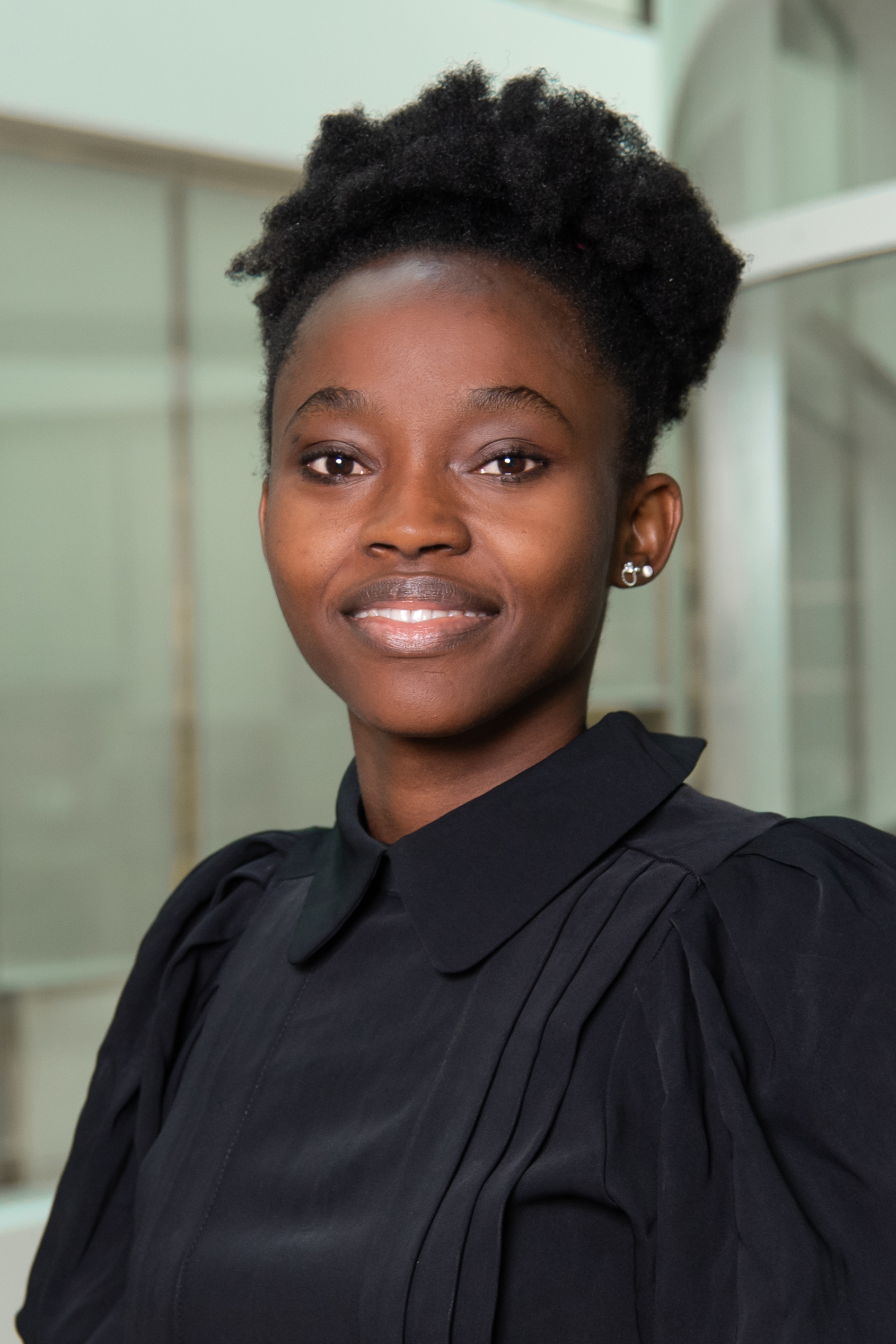
Toluwanimi Victory Afolayan (PhD-Student)
Biology of ageing research / Biochemistry, Genetics and Molecular Biology
I am a researcher with a keen interest in elucidating the genetic mechanisms underlying the changes that occur with advancing age. I am currently pursuing my Ph.D. in Biology, with a particular emphasis on elucidating the intricate mechanisms underlying the ageing process at the cellular and molecular levels, examining the impact of these processes on human health, under the guidance of Joris Deelen. I make use of the state-of-the-art resources available at the Max Planck Institute for Biology of Ageing. My current research employs genetic and molecular biology techniques. Furthermore, I intend to incorporate bioinformatics techniques. My objective is to extend healthy lifespans and improve quality of life in our later years. I am eager to collaborate with other researchers, industry professionals, and organisations dedicated to the understanding of ageing biology and its impact on human health. I have seven years of experience in industrial research during which I have made a contribution to the development of new indigenous technologies for the production and utilisation of enzymes in the industry.
Open Science Facets
Research Practices
MPI for Biophysics
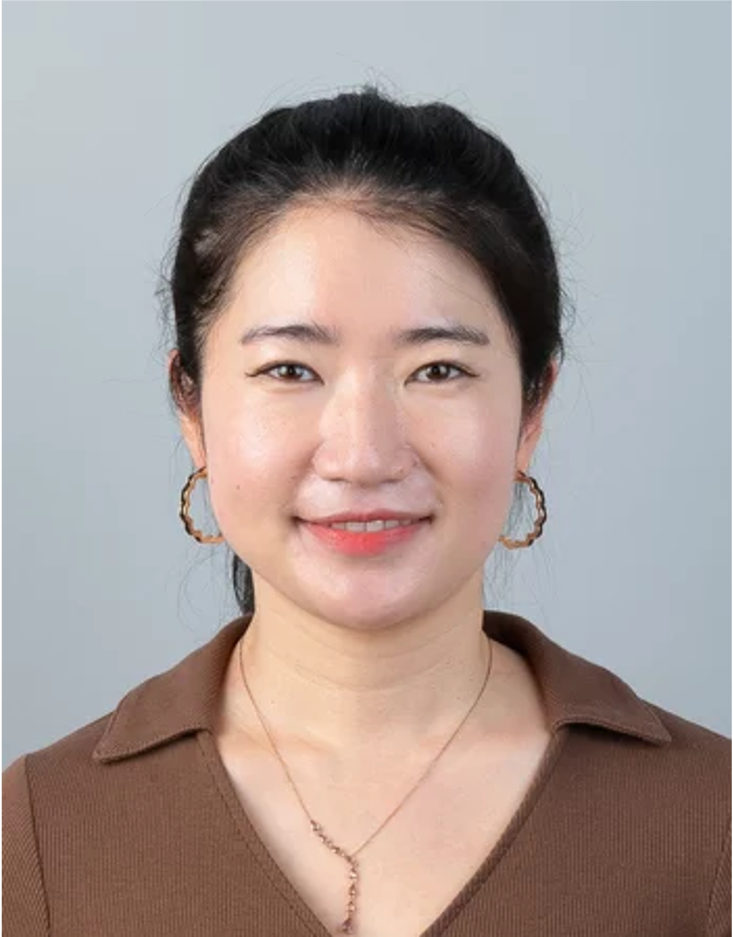
Eunyoung Jeong (Post-Doctoral Researcher)
Structural biology
Open Science Facets
Research Practices
MPI for Chemical Energy Conversion

John Carl Camayang (PhD-Student)
X-ray spectroscopy, heterogeneous catalysis
In my PhD work, I focus with X-ray spectroscopic studies on NH3 decomposition catalysts. This includes lab-based instrumentation and synchrotron measurements. During my free time, I usually go running and/or cycling.
Open Science Facets
Research Practices
Zachary (Ira) Mathe (PhD-Student)
Chemistry, specifically bioinorganic chemistry, X-ray spectroscopy, and computational chemistry
Zachary Mathe (Ira, they) is a PhD student in the DeBeer Group at the Max Planck Institute for Chemical Energy Conversion (MPI CEC). Their research focuses on the electronic structure of enzymatic metallocofactors and synthetic models thereof, X-ray spectroscopy, and ab initio quantum chemical calculations. Their interests include the importance of metal-metal bonding in small-molecule activation, as well as the development of open data practices in chemistry research. Ira has led the development of an effective open data publishing policy at the MPI CEC, following a high-participation, high-consensus organizing model.
Open Science Facets
Research Practices
MPI for Comparative and International Private Law
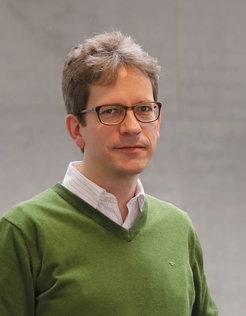
Christian Eckl (Head of Editorial Services)
Services regarding the elaboration and publication of research in the field of law; administration of the institute’s academic publications
Has studied law in Germany and Spain; completed both German state examinations; carried out a doctorate in comparative law during a research fellowship at the MPI in Hamburg; then worked for a couple of years in a publishing house; ultimately returned to the MPI in Hamburg for setting up its new unit “Editorial Services Department”.
Open Science Facets
Research Practices
MPI for Comparative Public Law and International Law
Matthew Cleary (Post-Doctoral Researcher)
Foundations of modern international law, constitutional law
Open Science Facets
Research Practices
MPI for Demographic Research
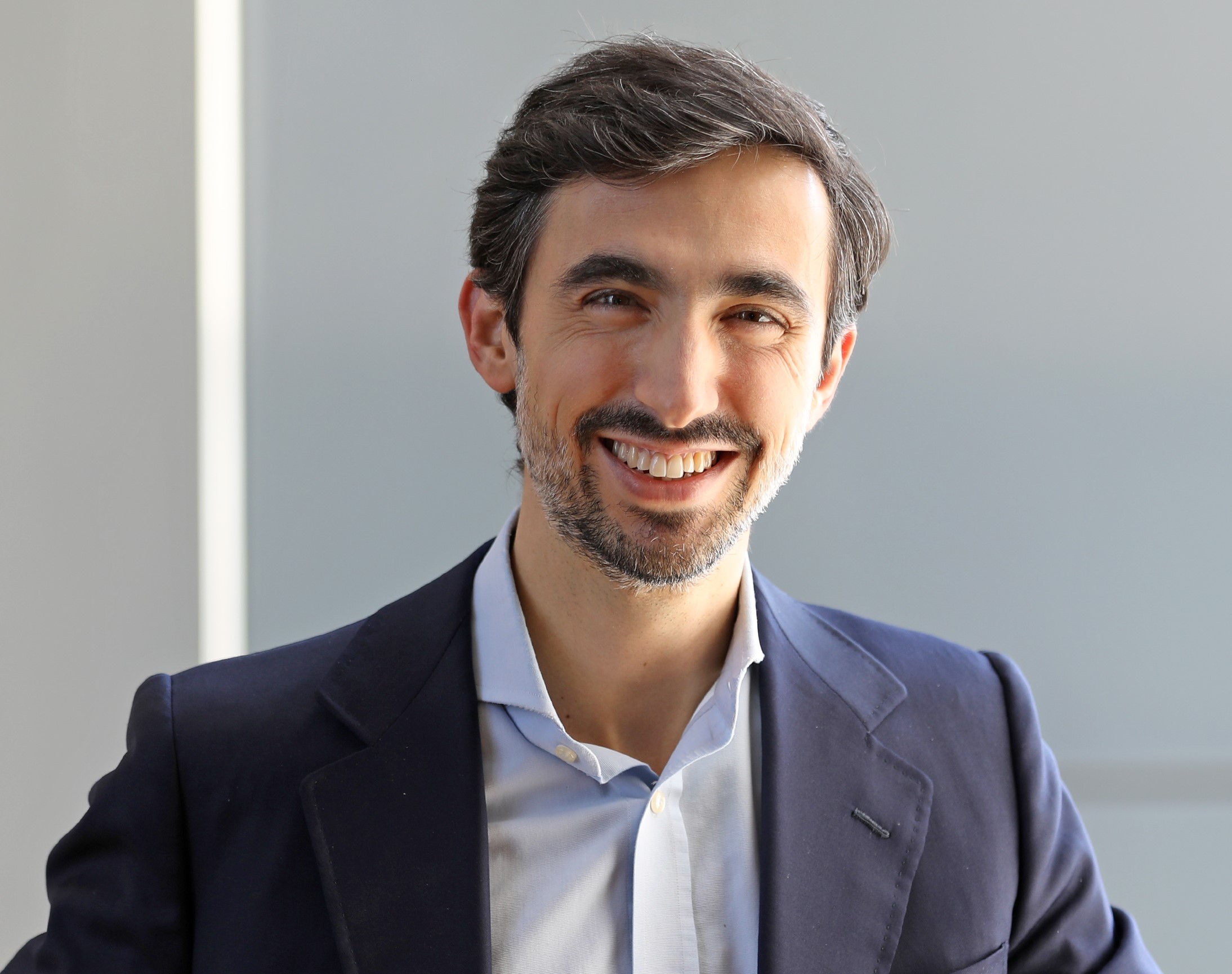
Ugofilippo Basellini (Post-Doctoral Researcher)
Mortality modelling and forecasting; statistical demography
I am a Research Scientist and the Deputy Head of the Laboratory of Population Dynamics and Sustainable Well-Being at the Max Planck Institute for Demographic Research. My main research interests are related to statistical demography, with a particular focus on mortality modelling and forecasting, lifespan inequality and formal demographic methods for the study of mortality.
Open Science Facets
Research Practices
MPI for Dynamics of Complex Technical Systems
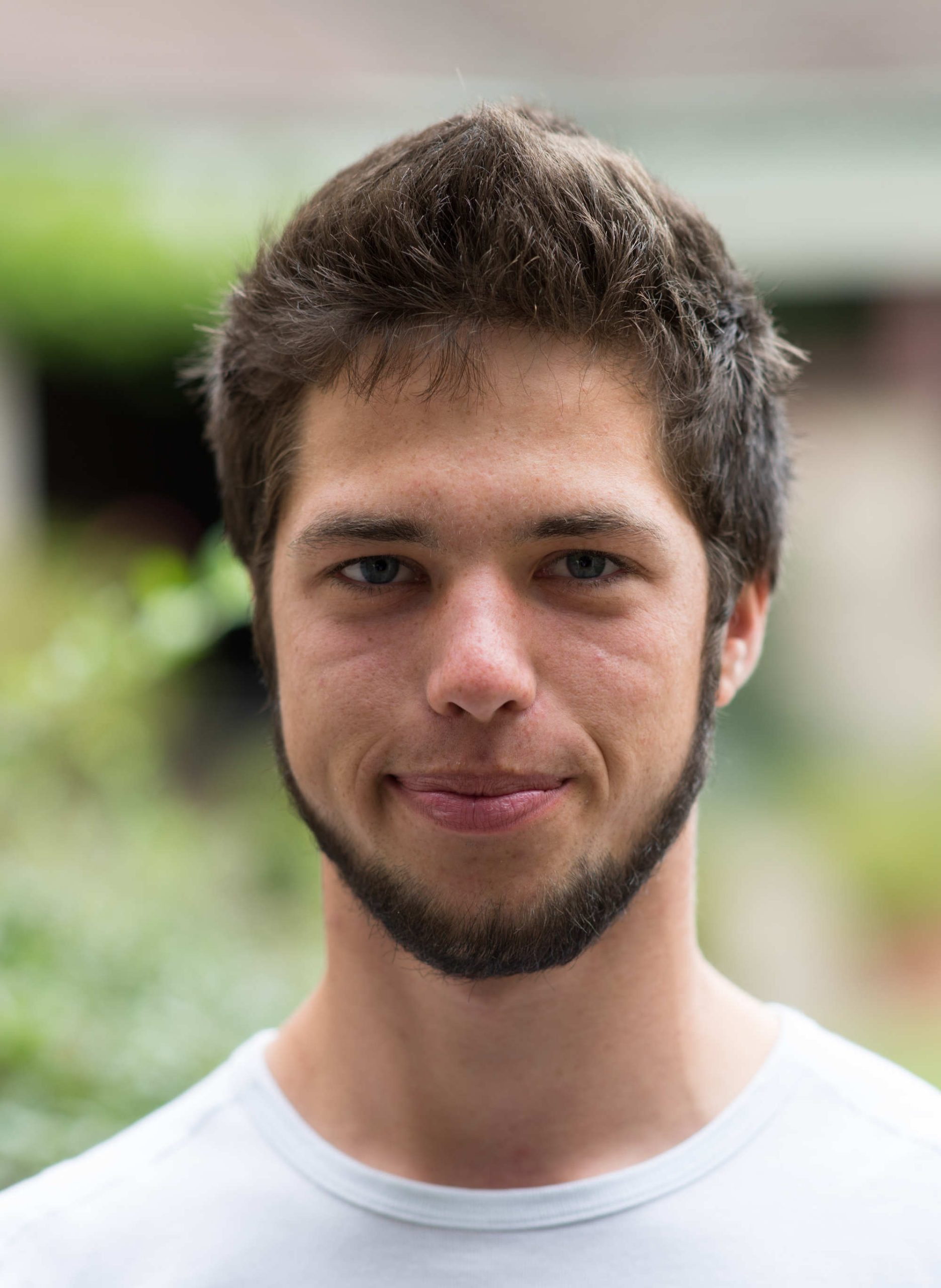
Ruben Goldhahn (PhD-Student)
Experimental polyamide recycling
I investigate how polyamides/nylons can be recycled by dissolution or chemical pathways aiming for large scale process implementation. Also I am curious about what the advantages and disadvantages of the different recycling processes are and how they can complement one another in a circular economy. In my free time I like to climb, go hiking and play quadball.
Open Science Facets
Research Practices
Jasmin Bauer (PhD-Student)
Industrial biotechnology and metabolic modeling
I work computationally with metabolic models (implementation and interpretation for wetlab) where I try to find interesting metabolic engineering strategies for waste stream usage in CO2 and H2 metabolizing bacteria. Also, I work in the lab with E. coli where I test gene knock-out predictions for co-substrate utilization.
Open Science Facets
Research Practices
MPI for Evolutionary Anthropology
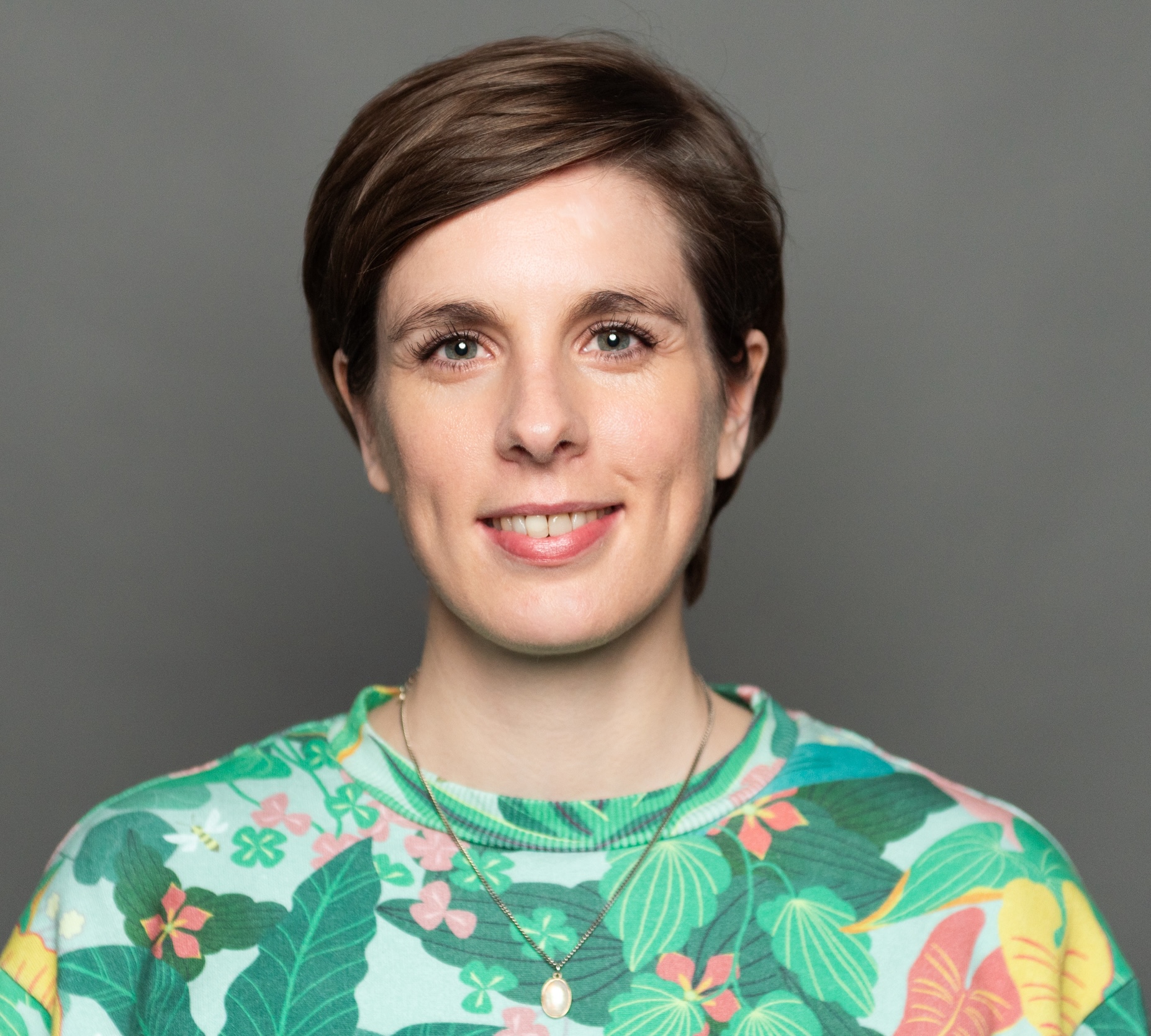
Annika Tjuka (Post-Doctoral Researcher)
Linguistics, Psychology
My main goal is to explore linguistic diversity, especially the variations of word meanings across languages. I integrate findings from linguistics and psychology in my research and adopt a computational approach. I received my doctorate with highest honours (summa cum laude) from Friedrich Schiller University Jena in March 2024 and I am working as a postdoctoral researcher at the Max Planck Institute for Evolutionary Anthropology. A major academic career achievement so far is developing a cross-linguistic database, which contains rich information on word properties across 39 languages (https://norare.clld.org). In addition, I have investigated the relationship between word meanings in the semantic domain of the human body, exploring the intricate interplay between language, culture and cognition. The key results of these investigations are reported in a study on body-object colexifications published in Linguistic Typology and a study on body part vocabularies published in Scientific Reports.
Open Science Facets
Research Practices
MPI for Gravitationalphysics
Mattia Cesàro (Post-Doctoral Researcher)
High-Energy physics, in particular Supergravity and Exceptional symmetries
My research is focused on the low-energy regimes of String Theories called supergravities, with particular emphasis on their underlying duality symmetries. I enjoy disseminating physics to the public, both in an accessible and accurate form, in the attempt to help filling the communication gap between science and society. I am a reviewer for the AuthentiSci platform, providing feedback on the validity of science-related media.
Open Science Facets
Research Practices
Joaquin Pelle (Post-Doctoral Researcher)
Computational Astrophysics
Open Science Facets
Research Practices
MPI for Human Development

Aaron Peikert (Post-Doctoral Researcher)
Research methods
I am the project lead of the Formal Methods for Lifespan Psychology group at MPIB. I love thinking about how to improve science. In pursuit of this objective, I leverage a diverse range of interdisciplinary tools, modeling across different statistical approaches, focusing on rigor (e.g., as prescribed by software engineering) and transparency (e.g., as prescribed by Open Science), the thorough analyses of meta-science, and profound perspectives offered by the philosophy of science.
Open Science Facets
Research Practices
MPI for Infection Biology
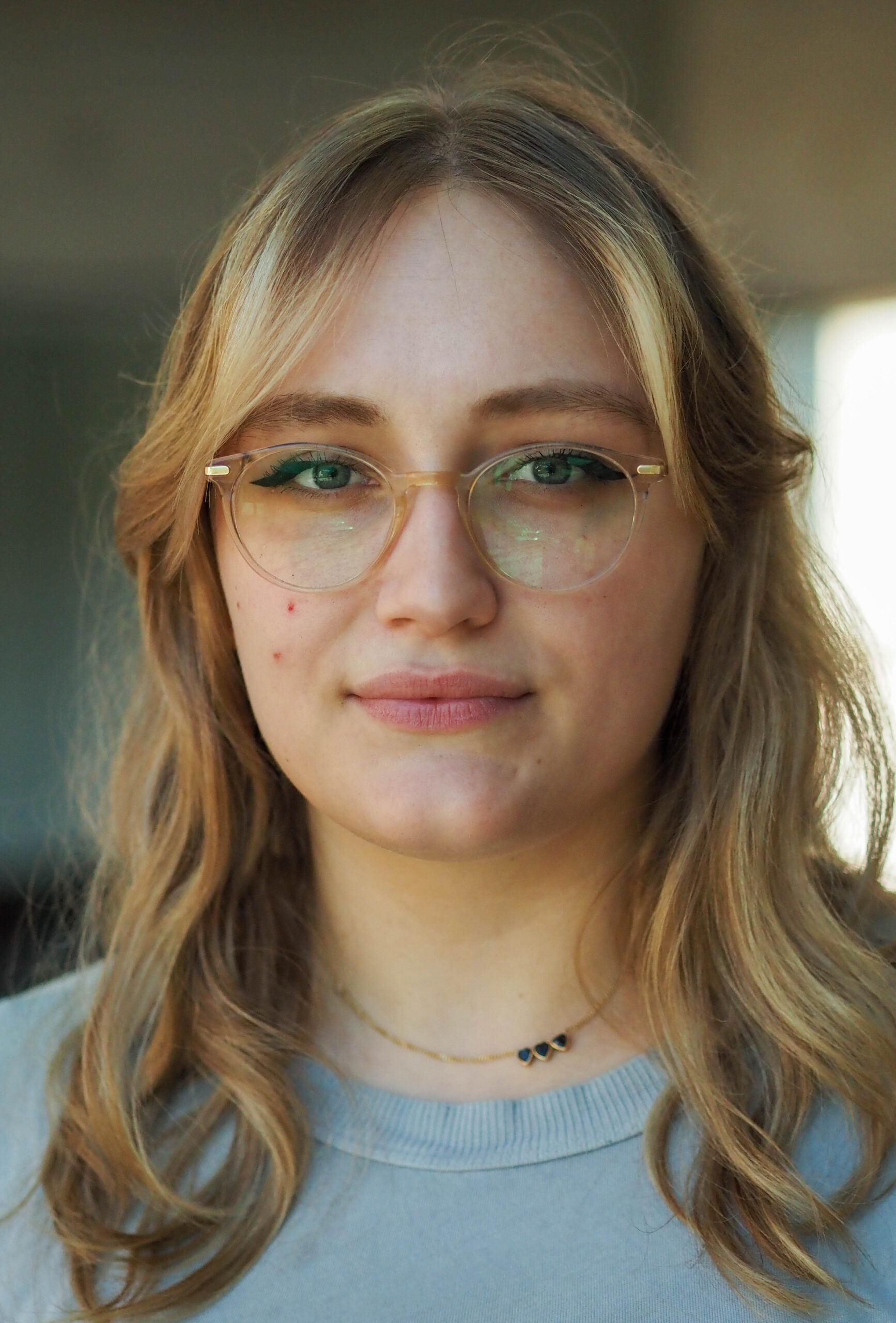
Lilly Bartsch (PhD-Student)
Microbiome
I joined the evolutionary pathogenomics department at the MPI for Infectionbiology in August 2024 to work on a longitudinal microbiome study. More specifically, I investigate the evolution of commensal bacteria within the microbiome of infants and their families. I am very interested in the accessibility of science, both to the general public and scientists around the world.
Open Science Facets
Research Practices
MPI for Legal History and Legal Theory
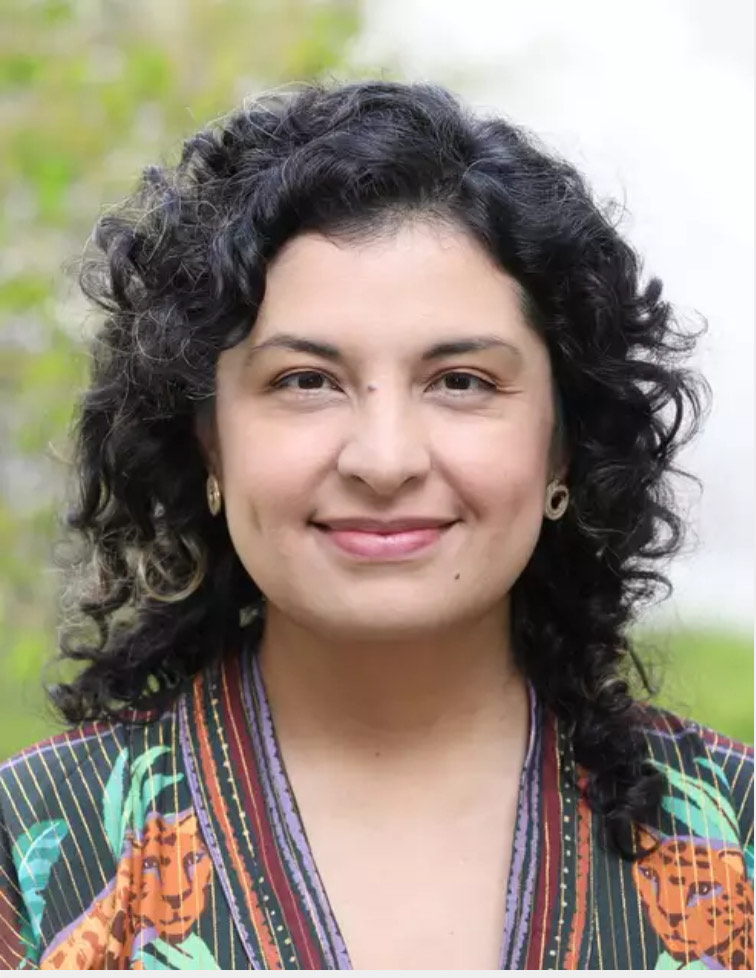
Karla L. Escobar Hernández (Post-Doctoral Researcher)
Indigenous Legal Practices, Participatory Methods, Transmedia Research
In line with the principles of Open Science, my research emphasizes the openness of knowledge and the co-creation of inclusive, community-based narratives. By weaving together multimedia storytelling and video communication, I look to contribute to citizen science by building collaborative spaces where legal historical knowledge can be developed alongside Indigenous communities.
Open Science Facets
Research Practices
MPI for Mathematics in Science
Diaaeldin Taha (Post-Doctoral Researcher)
Mathematics and machine learning
Open Science Facets
Research Practices
MPI for Meteorology
Danai Filippou (PhD-Student)
Ocean biogeochemistry, climate change, marine extremes
I am a PhD candidate interested in extreme events and their interaction with ocean biogeochemistry. My research focuses on marine heatwaves, low pH levels, and low oxygen extremes. Currently, I am using climate models to investigate how these extreme events are influenced by variations in atmospheric CO2 levels and the carbon fluxes among the atmosphere, ocean, and land. I am working in the Ocean Biogeochemistry group at the MPI for Meteorology, located in Hamburg.
Open Science Facets
Research Practices
MPI of Molecular Physiology
Slava Ziegler (Project Group Leader)
Identification and characterization of biologically active small molecules
I studied biochemistry and di my PhD with focus on Wnt signaling. As a PostDoc I explored mechanism of tumor invasion and metastasis. Since 2009, I am a project group leader at the MPI of molecular physiology, Department of Chemical Biology. My group develops and employs phenotypic assays to identify bioactive small molecules. Our aim is to identify modulators of various processes that contribute to tumorigenesis. My current research focuses on the use of morphological profiling to assess bioactivity of small molecules. Since 2022, I am Ombudsperson at the institute.
Open Science Facets
Research Practices
MPI for Plasma Physics

Udo von Toussaint (Group Leader)
Plasma-Wall interaction, Bayesian probability theory
Group Leader at the Max-Planck-Institute for Plasmaphysics with research interests in active learning, Bayesian experimental design, molecular dynamics and inverse problems.
Open Science Facets
Research Practices
MPI for Psycholinguistics
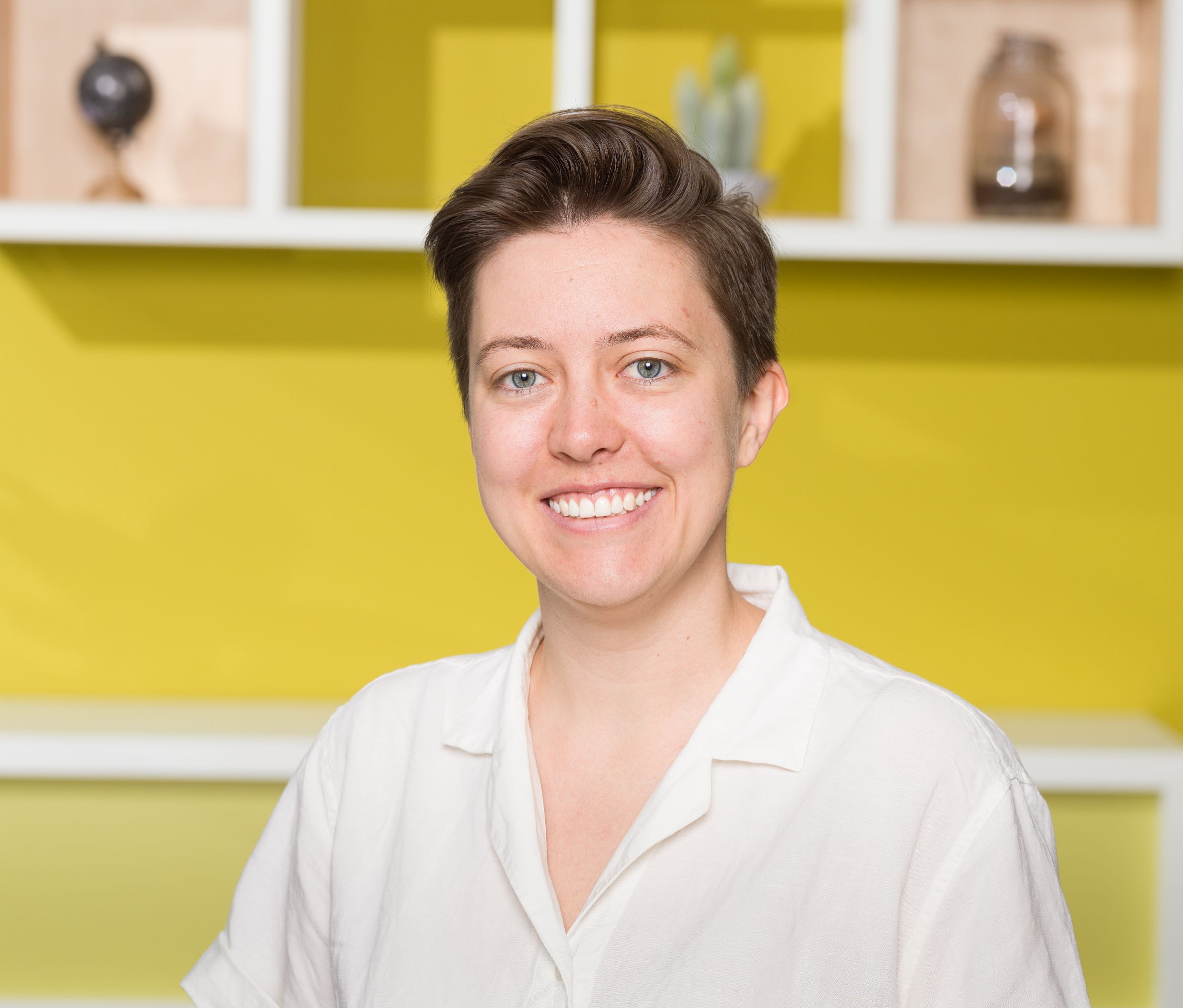
Kyla McConnell (Post-Doctoral Researcher)
Psycholinguistics, individual differences, language comprehension and production
I’m a postdoctoral researcher at the MPI for Psycholinguistics, where I focus on individual differences in language production and comprehension. My work centers around the development of a battery of linguistic and cognitive tasks for English speakers, which will also be made available as a tool to other researchers. I’m particularly interested in investigating the different pathways individuals may take to understand language and how these covary with other cognitive abilities or processing styles. Additional research interests of mine include probabilistic language processing and usage-based linguistics, and I take a special interest in statistical methods. Before coming to the MPI, I received my Ph.D. from the University of Freiburg in Germany. My undergraduate studies were at the University of North Carolina in Chapel Hill.
Open Science Facets
Research Practices
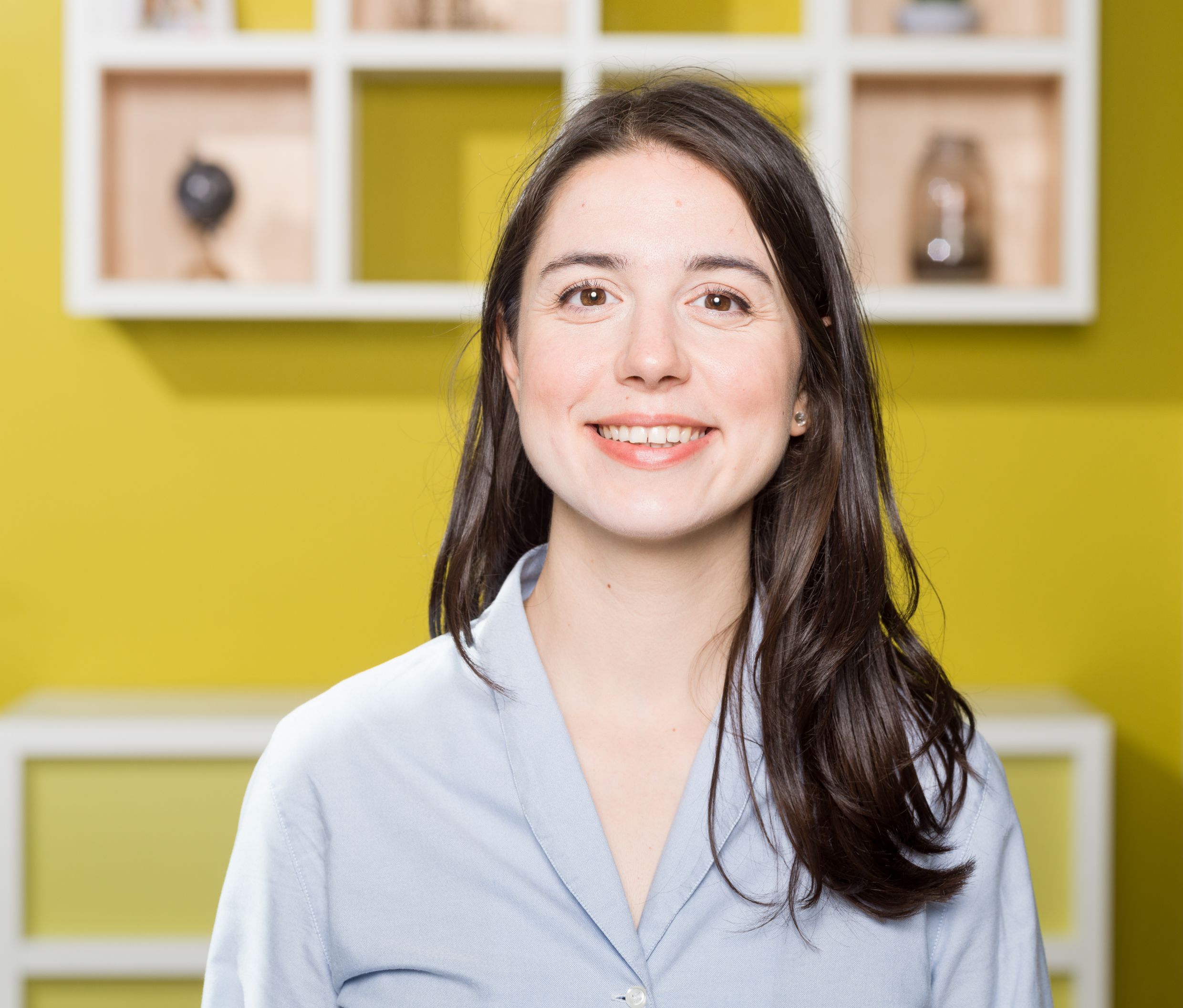
Julia Chauvet (PhD-Student)
Psycholinguistics and speech motor control
How do we articulate a thought into a sequence of spoken sounds? My research aims to bring together neurocognitive computational models of lexical access and speech motor control, examining the issues that arise at their interface. By integrating these frameworks into a model of lexical generation, we can uncover several key questions at their intersection. These include: (i) Identifying elements of linguistic planning that are relevant for—and cascade to—motor planning, and understanding their hierarchical relationship. (ii) Determining critical features of the different levels of self-monitoring, the conditions under which they occur, and the interplay between mechanisms of motor control and self-monitoring. I employ theoretical computational work simulates how elements of phonological planning are carried forward from linguistic planning to motor control.
Open Science Facets
Research Practices
Ingrid Szilagyi (Post-Doctoral Researcher)
Genomics of language skills
Open Science Facets
Research Practices
MPI for Research of Collective Goods
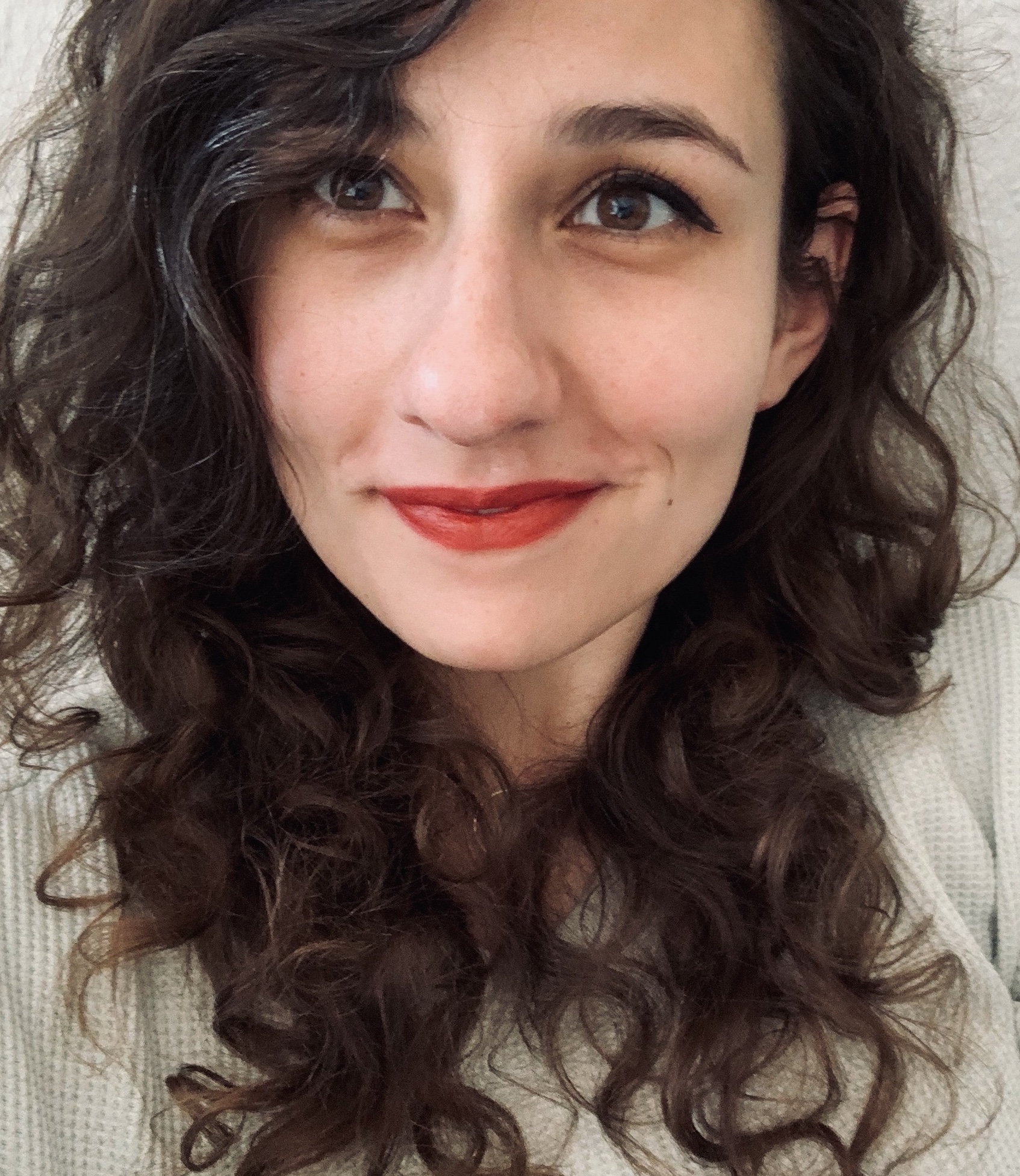
Rima-Maria Rahal (Post-Doctoral Researcher)
Psychology; behavioral law and economics
Rima-Maria Rahal is a psychologist working at the intersection of psychology, law and economics. Her interests lie in understanding decision processes in social contexts via process tracing. She is a Steering Group member of the German Reproducibility Network and an alumna of the Wikimedia Open Science Fellowship. Rima works on promoting Open practices in a systematic manner, taking policy perspectives and educational resources into account.
Open Science Facets
Research Practices
MPI for Security and Privacy
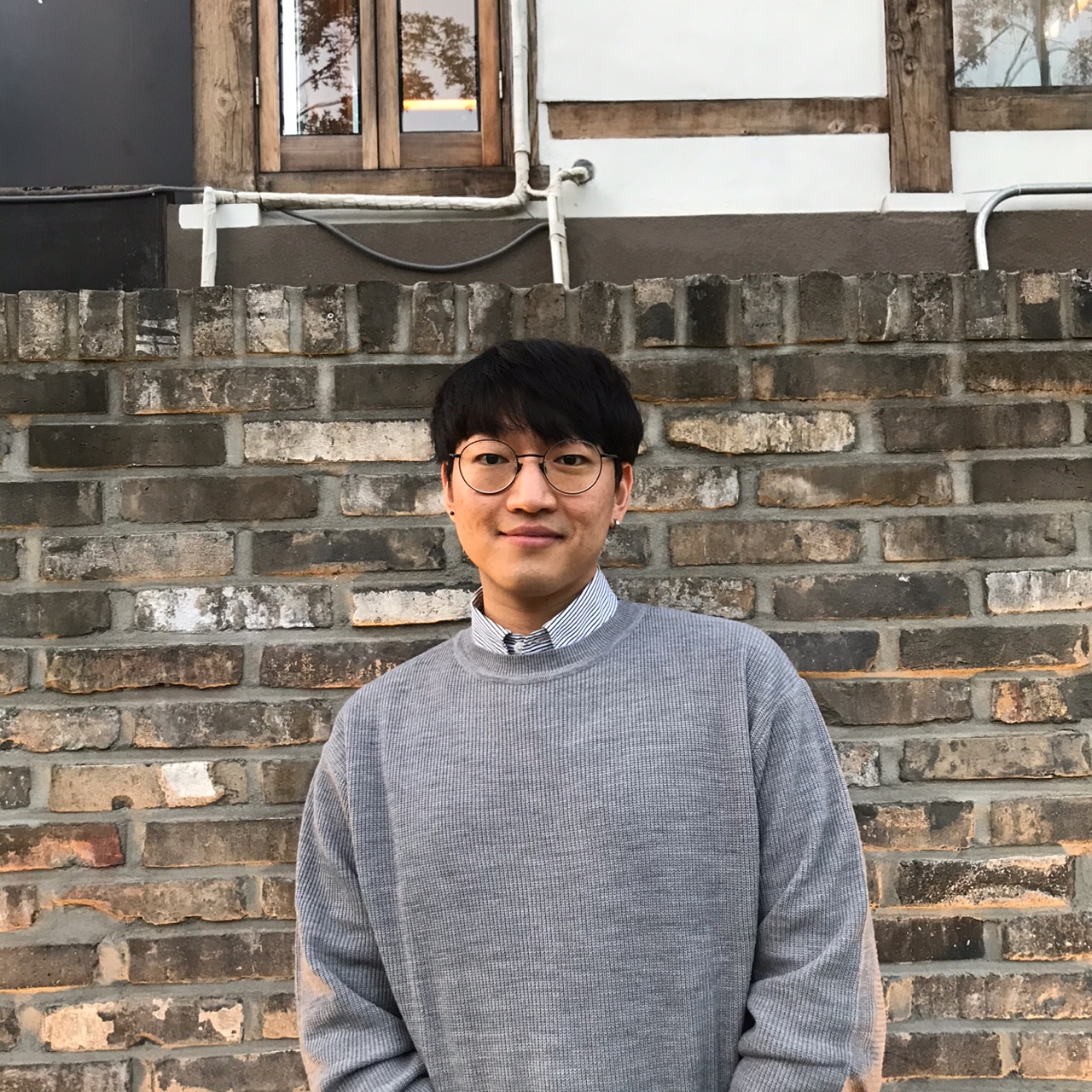
Seongmin Lee (Post-Doctoral Researcher)
Software Security, Software Engineering
I am a postdoctoral researcher at the Max Planck Institute for Security and Privacy in Bochum, Germany. I’m working with Dr. Marcel Böhme in the Software Security group. My research interest lies in program analysis and software testing. The overarching objective of my research is making program analysis scalable by addressing the challenges associated with the scale and complexity of software systems and achieving practical software testing in real-world scenarios. I utilize statistical methods to analyze dynamic information from program execution, facilitating the reasoning of a program’s semantic properties and addressing empirical challenges in software testing. I got my Ph.D. in Computation Intelligence and Software Engineering Lab (COINSE) at KAIST, advised by Dr. Shin Yoo in 2022.
Open Science Facets
Research Practices
MPI for Social Anthropology
Inge Fiedler (Post-Doctoral Researcher)
Qualitative social research, Organ Donation in Germany
Open Science Facets
Research Practices
MPI for Solid State Research
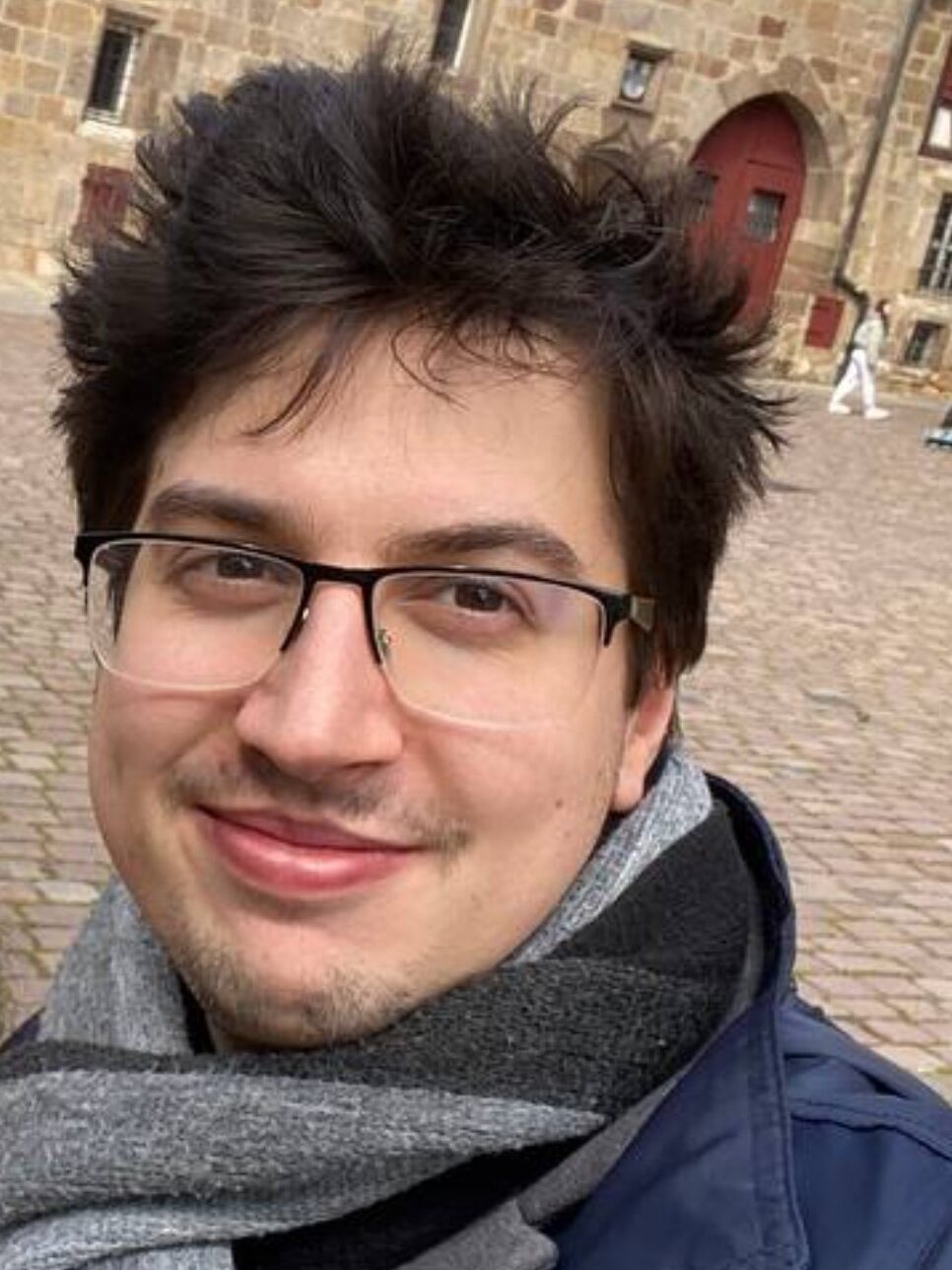
Ilija Srpak (PhD-Student)
Theoretical chemistry, solid state physics, computer simulations, software development
I did my undergrad at the University of Cambridge. My Master’s project was in quantum dissipative dynamics in the Althorpe group. I worked with path integrals and fundamental path integrals. I got a PhD offer to stay in Cambridge for one year with prof Stuart Althorpe and then move to MPI FKF in Stuttgart to continue working with prof Ali Alavi. My work is a method and code development for treating spin-phonon coupled systems materials where electronic/magnetic interactions influence the motion of the atoms and vice-versa.
Open Science Facets
Research Practices
MPI for the Study of Crime, Security and Law
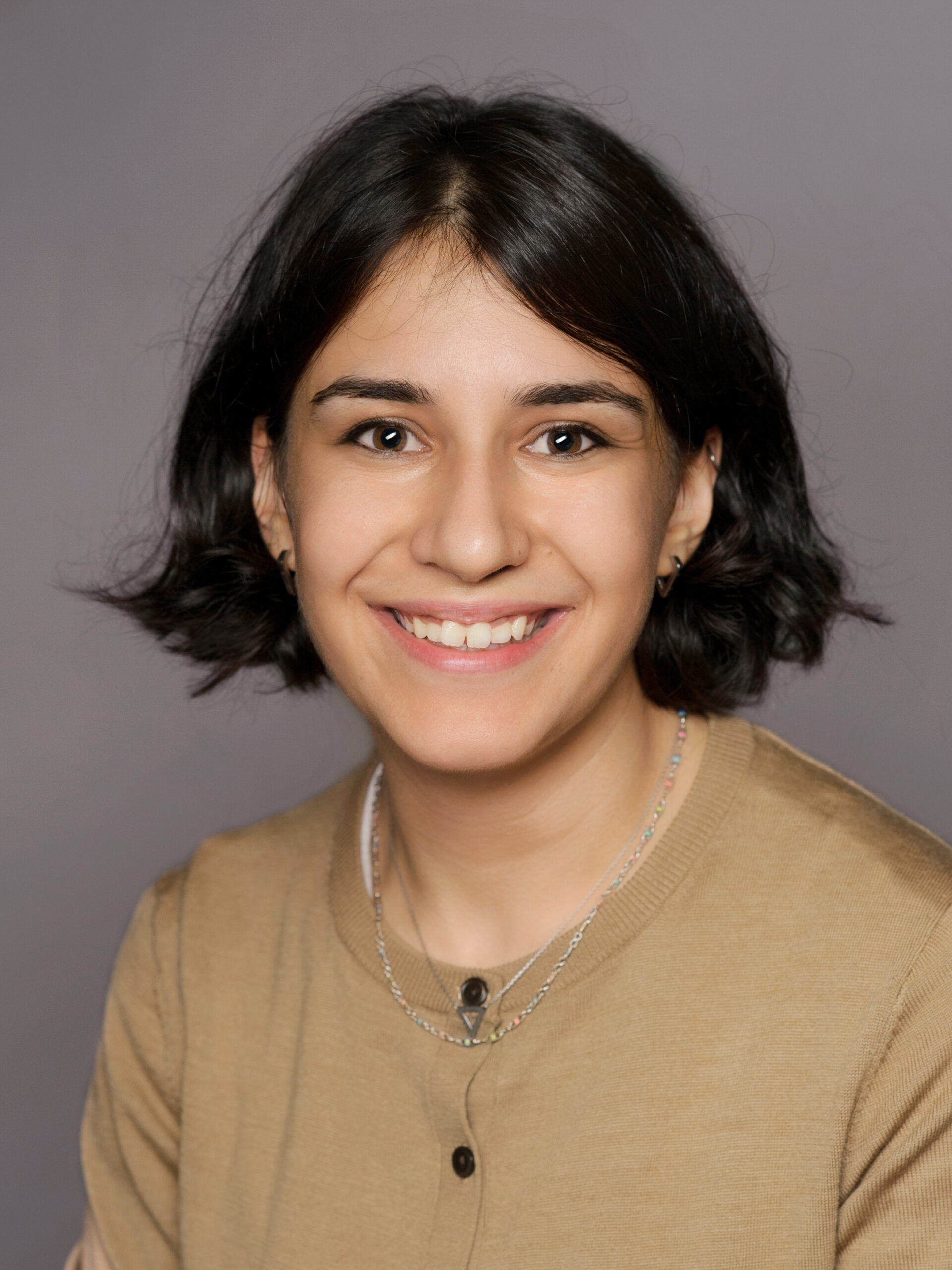
Büsra Elif Yelbuz (PhD-Student)
The dispositional and social factors that influence selectivity in prosocial behavior.
My research focuses on the dispositional and social factors that influence selectivity in prosocial behaviour. Particularly, I’m interested in why some individuals are more selective than others in who they are prosocial towards, and whether such individual differences can be explained by personality traits. With this, I am also working on adapting well-established measures of prosocial behavior to capture inter-individual variance in selective prosociality.
Open Science Facets
Research Practices
MPI for Terrestrial Microbiology
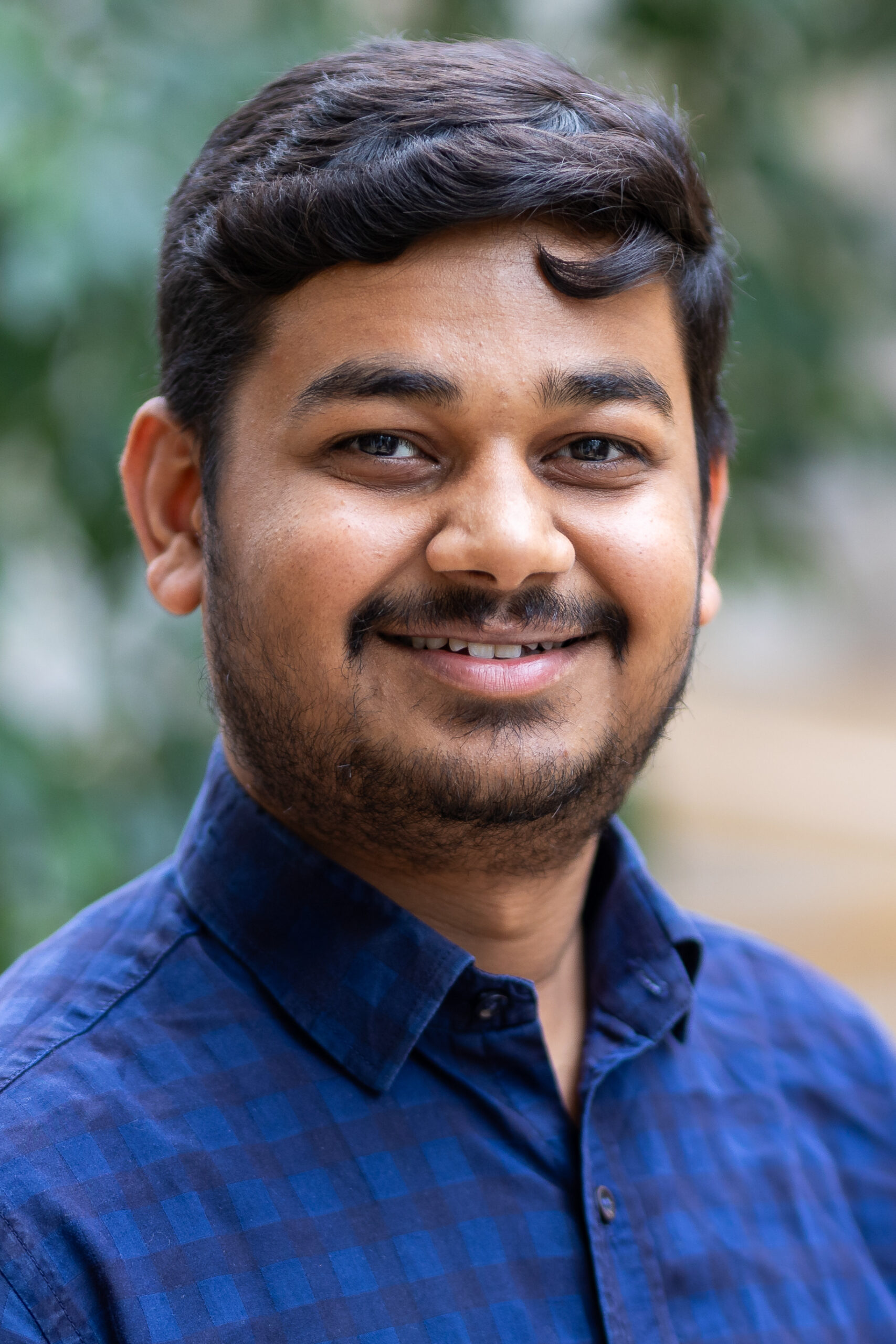
Nitin Bohra (PhD-Student)
Synthetic Biology, Cell free TXTL
My current research focuses on the bottom-up assembly and optimization of intricate metabolic and genetic pathways, aiming to construct life-like systems.
Open Science Facets
Research Practices
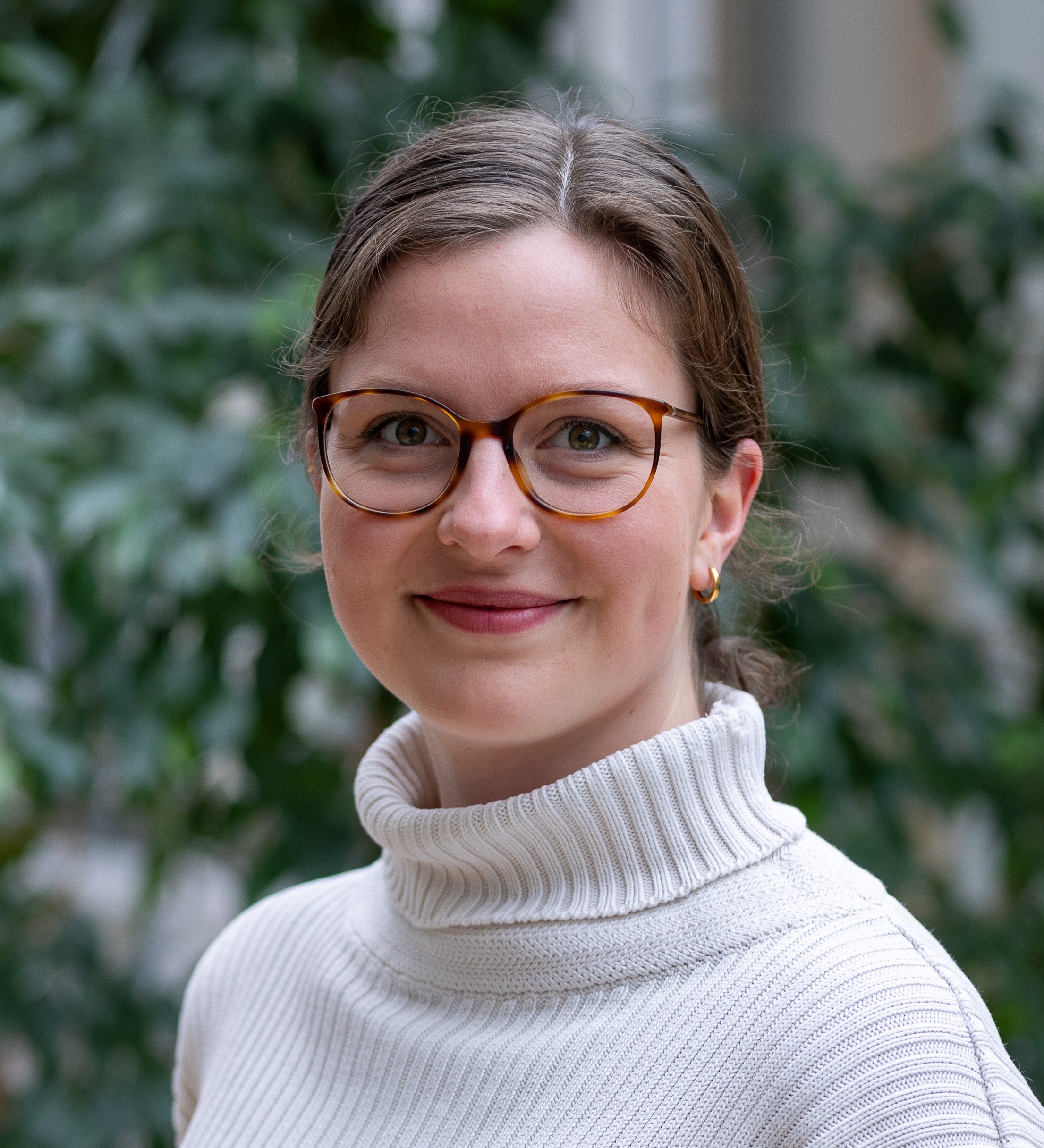
Franziska Otto (PhD-Student)
Biochemistry Studies on Rubisco
My research focuses on improving Rubisco’s catalytic efficiency through allosteric shift via protein-protein interactions. By investigating both natural binders and novel synthetic binders that target the large subunit, my study aims to induce beneficial allosteric shifts, potentially revolutionizing our approach to improving Rubisco’s efficiency without altering the enzyme’s catalytic center.
Open Science Facets
Research Practices
MPI of Quantum Optics
Karin Fröschl (Head Librarian)
Open Access
My work as head librarian with regard to Open Science consists of informing scientists about Open Access, copyright and OA publishing.
Open Science Facets
Research Practices
Max Planck Unit for the Science of Pathogens
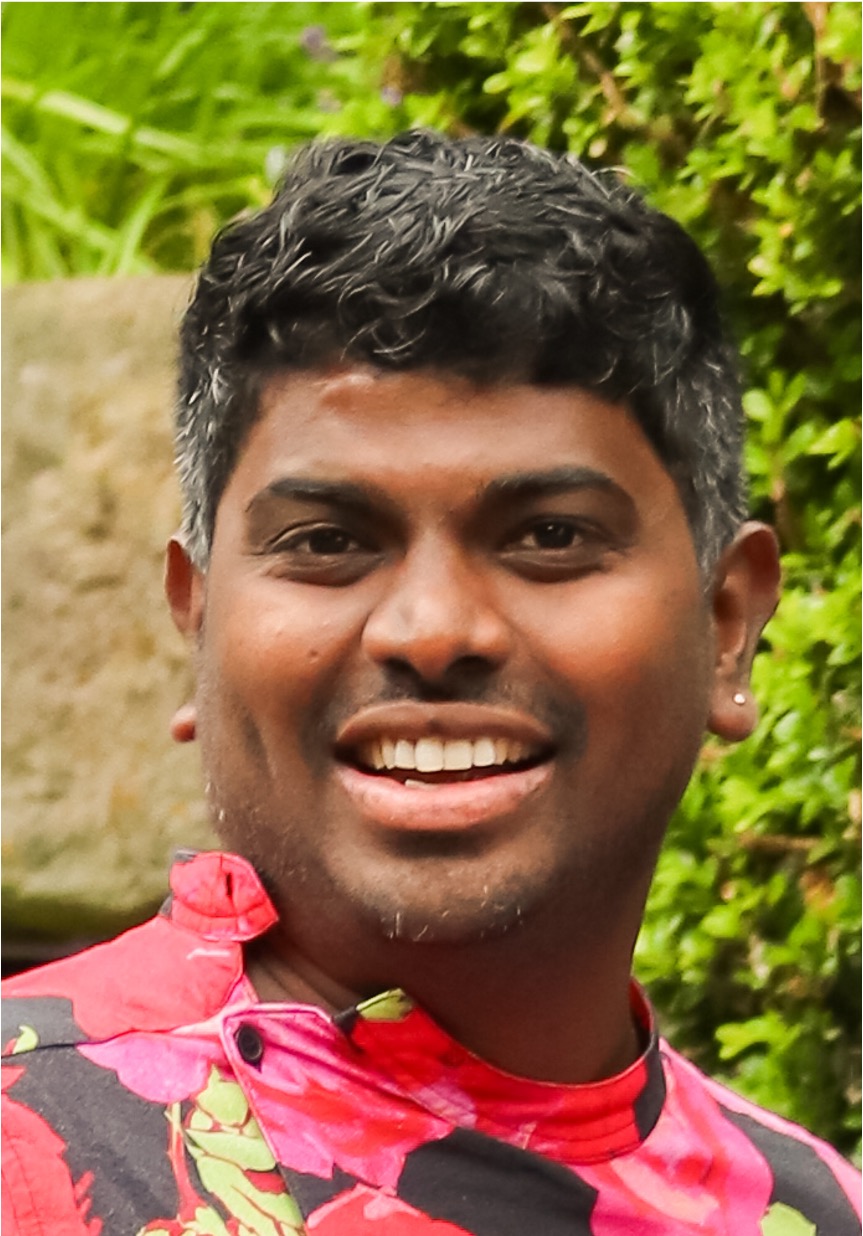
Kathirvel Alagesan (Head of Proteomics Platform)
Proteomics and Glycoproteomics, Mass Spectrometry, Microbiology
Kathirvel Alagesan is a research Leader in (Glyco)proteomics and head of the Proteomics Research Platform at the Max Planck Unit for the Science of Pathogens (MPUSP), headed by Prof. Emmanuelle Charpentier. His key area of research is glycodynamics especially in understanding the functional role of protein glycosylation and its changes during host-pathogen interaction. Kathir did his Doctoral studies at the Max Planck Institute of Colloids and Interfaces Germany in the lab of Prof. Daniel Kolarich and Prof. Peter Seeberger. Before moving back to Berlin in 2020 Kathir was a research fellow at the Institute for Glycomics Griffith University Australia under the mentorship of Prof. Daniel Kolarich, Prof. Nicki Packer and Prof. Mark von Itzstein.